Cairo
Free Cancellation
Cancel anytime with no feesBest Time to Go
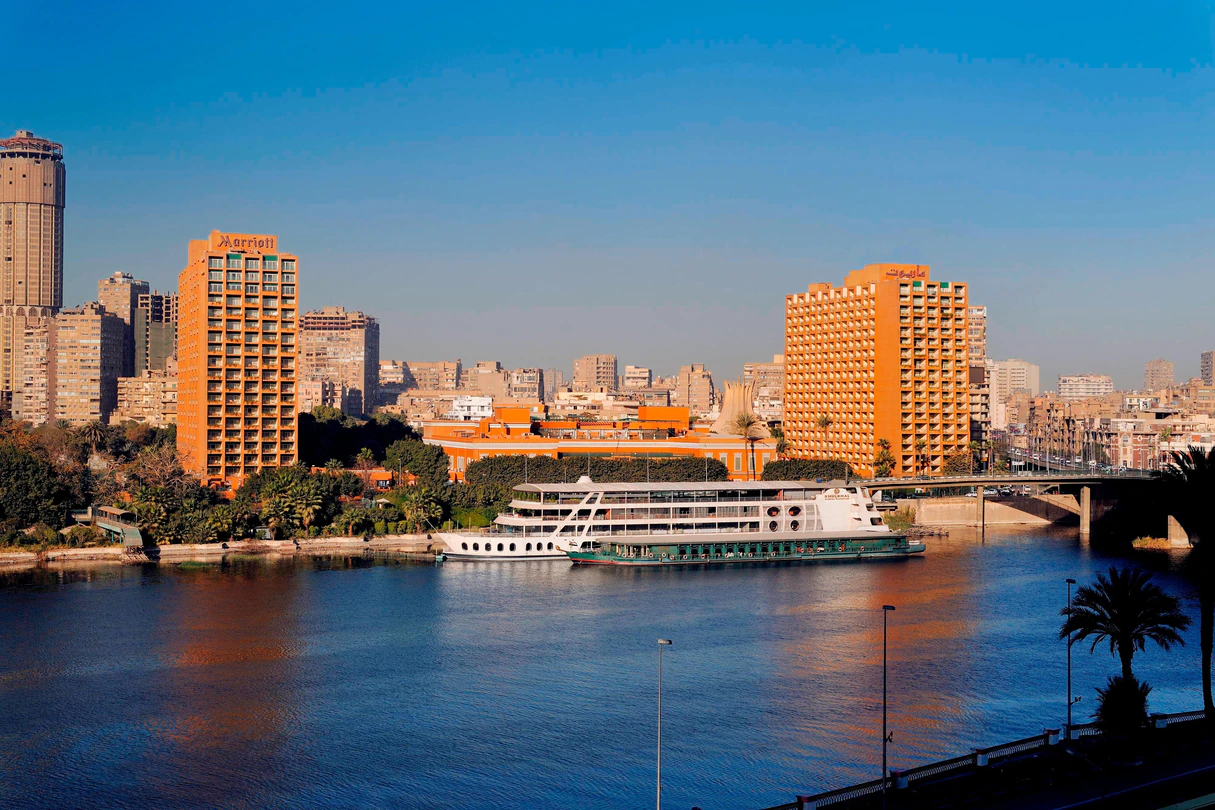
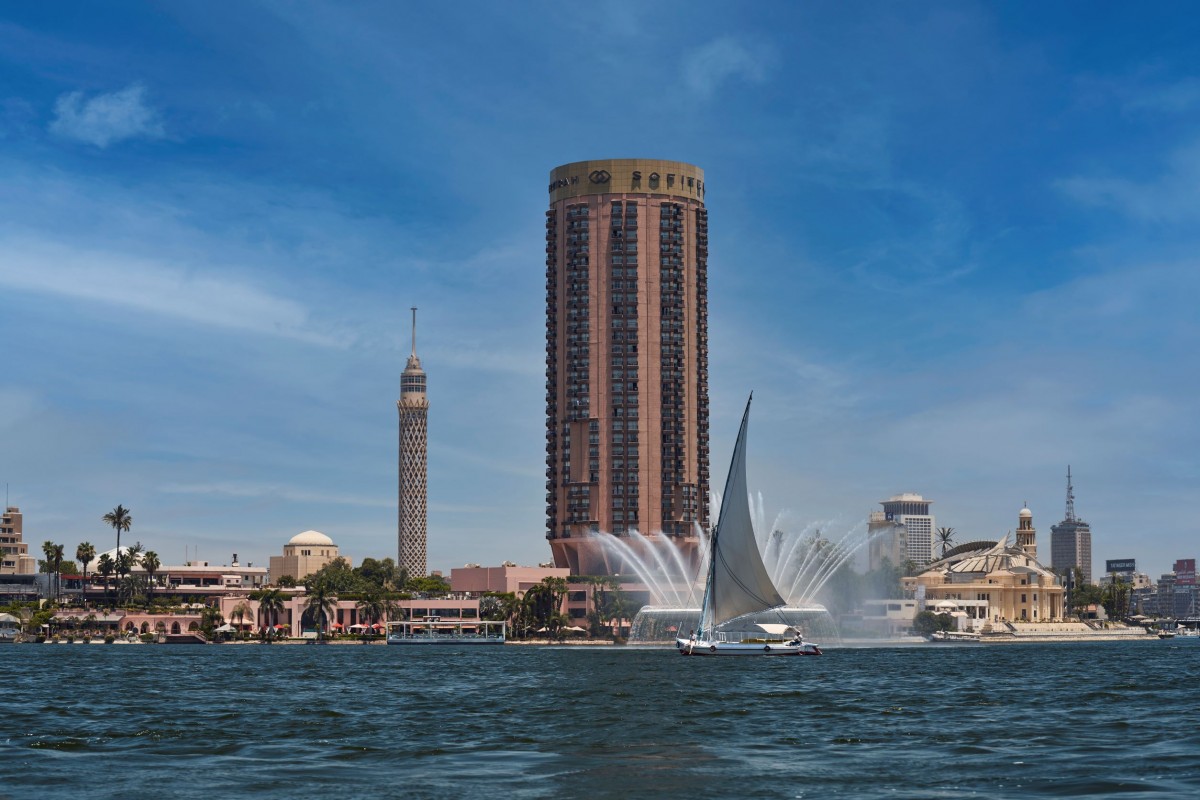
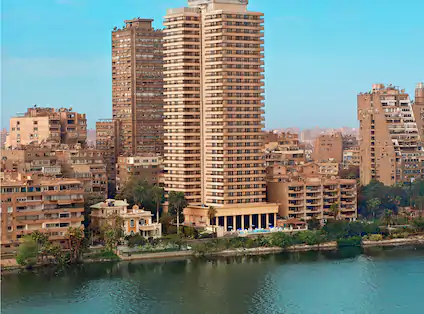
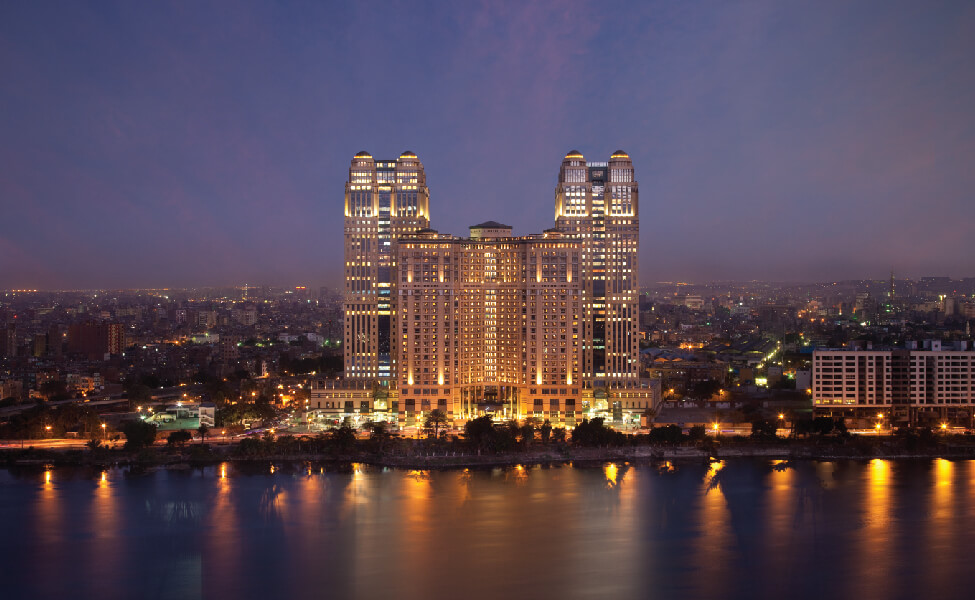
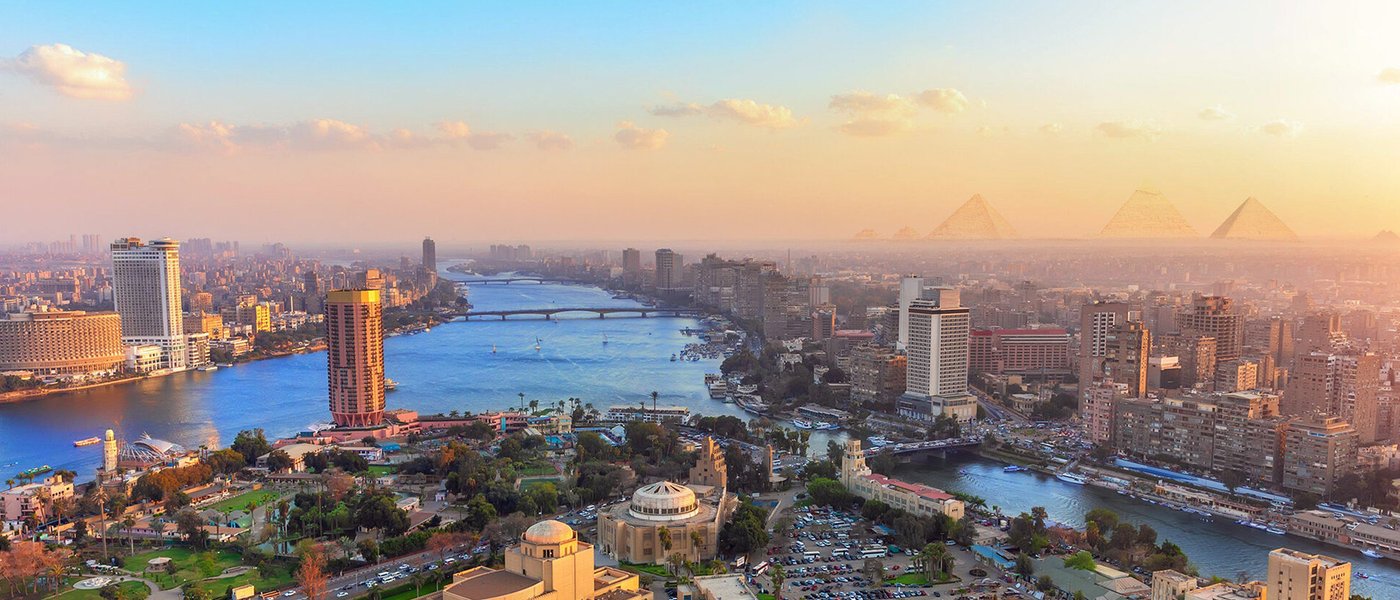
Semptember-MayCairo or Al-Qahira (the victorious) city in the Arabic language and The City of Thousand Minarets is the capital of charming Egypt. It is the largest city in the Arab world, the Middle East and Africa. Cairo's location to the northeast of the country and on the eastern shore of the Nile River creates its unique magic.
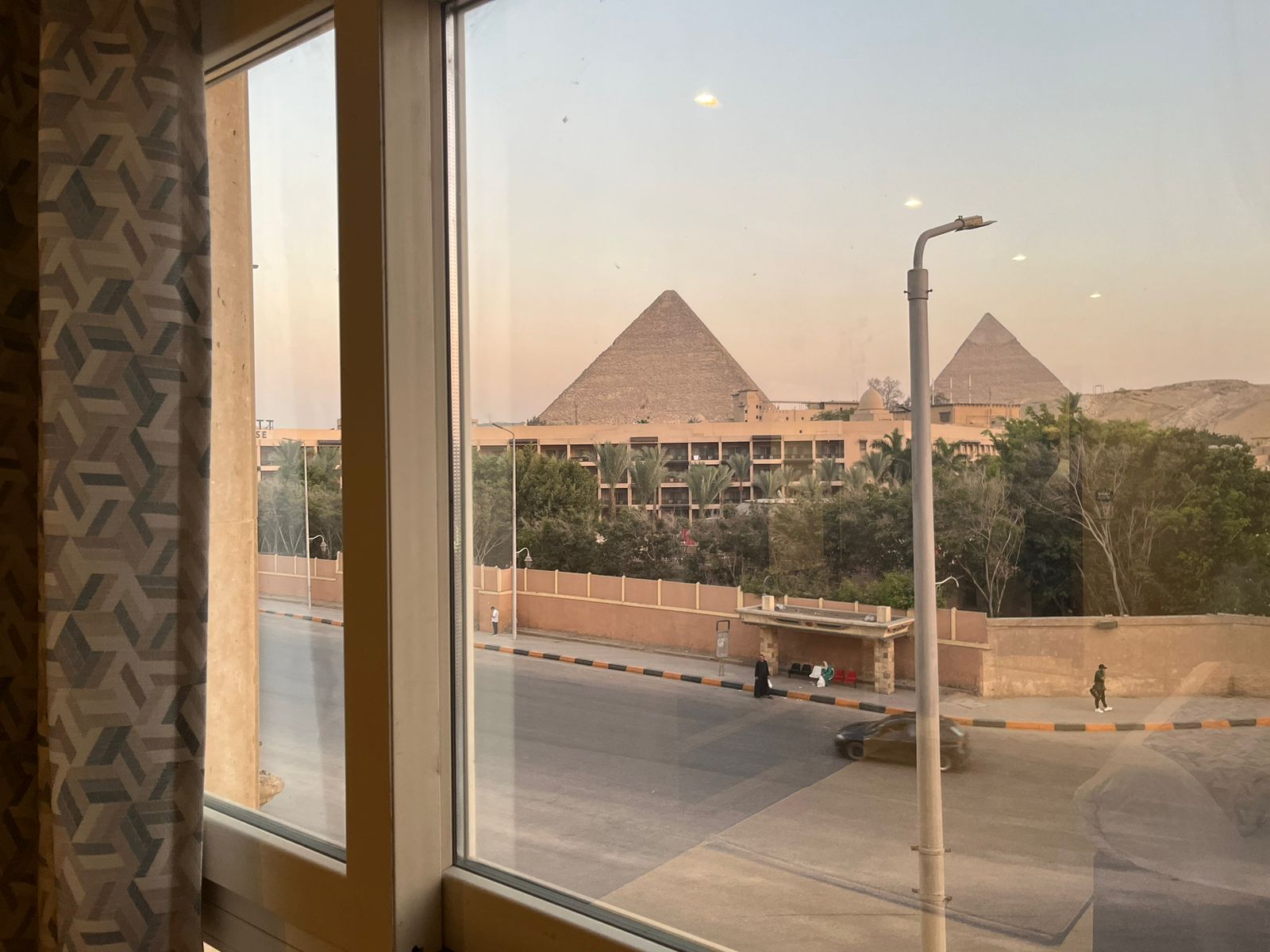
It is associated with Ancient Egypt as the famous Giza Pyramids and the ancient city of Memphis are located in its geographical area. For its universal importance; the pyramids area, Memphis and Historic Cairo are all inscribed on the UNESCO world heritage sites' list.
In the course of its thousand-year history, Cairo has been the capital of Ancient Egypt during Middle Kingdom, the center of the Islamic ages and a British colonial territory. It is definitely a city of monuments; however it doesn't live in the past!
Cairo is a bustling city, full of life & one of the most important cultural capitals in the Middle East. Nowadays, the city is one of the world's highest population, but still a major center for tourism, trade, education, business and manufacturing.
Nile River
The Nile River is considered the longest river in the world with approximately 6650 kilometers long. It flows from south to north through eastern Africa. The Nile River is often linked to Egypt, but it is interesting to know that it flows through another 11 countries which are; Tanzania, Uganda, the Democratic Republic of Congo, Rwanda, Burundi, Ethiopia, Kenya, Eritrea, South Sudan, Sudan and finally Egypt.
The Nile River has always been the source of life in Egypt; it has been the source of food, water, transportation and agriculture to the Ancient Egyptian Civilization 5,000 years ago.
Cairo Attractions
Khan El-Khalili
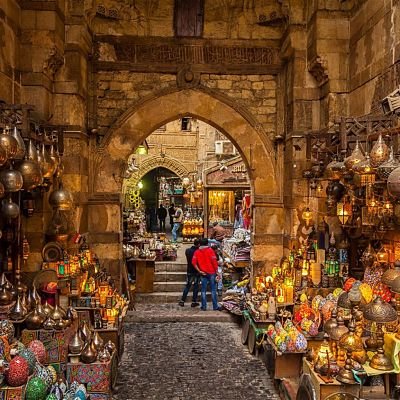
It is a famous bazaar in the historic center of Cairo. The ancient market is as old as the 14th century, and is characterized by the manufacture of a unique handicrafts and souvenirs made by the Egyptian talented artisans. Walking between the alleys of Khan El-Khalili and enjoying the unique architectural design of the old bazaar is a must during your tour in Cairo!
The Citadel of Saladin
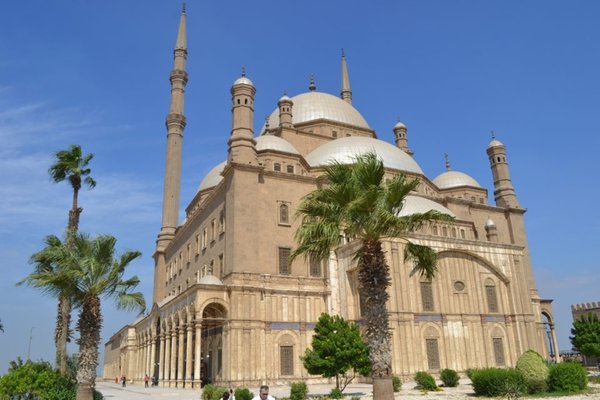
It is constructed by the legendary army leader Saladin during the 13th century as a fortification against the Crusaders. The citadel area encompasses several mosques, palaces, monuments and museums from different eras such as: the breathtaking alabaster Mosque of Mohamed Ali, the Royal Carriage Museum and Al-Gawhara Palace. A couple of spacious terraces with splendid Cairo views are the most charming spots inside the citadel, so don't miss taking photo of you with this magnificent view!
Old Cairo
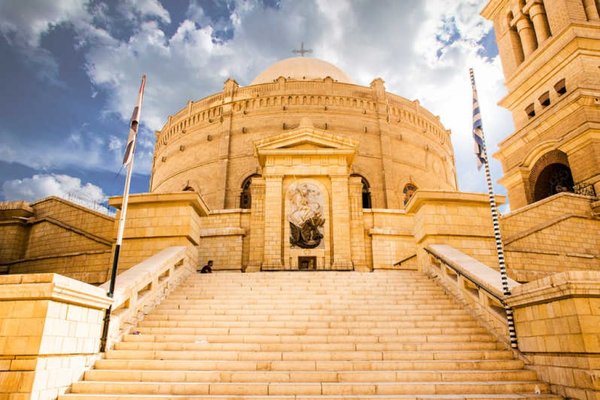
Also known as Coptic Cairo or the Center of Religions, Old Cairo is situated at the location of ancient Babylon fortress dating back to the 6th century BC. The area is known to be the shelter place of the Holy Family during their flight to Egypt seeking refugee from the Roman king Herod who wanted to kill Jesus the baby. Nowadays the area encompasses number of Coptic Religious buildings which are: The Hanging Church, the Greek Church of St. George, the cemetery of the Greeks, the Monastery of St. George, the Wedding Hall of St. George, the Church of Abu Serga, the Church of St. Barbara, the Tomb of Ibrahim Al-Gohary, the Church of the Virgin -Qasriyet Al-Rayhan-, and the Coptic Museum. In addition to the Coptic monuments, there are the synagogue of Ben Ezra and the Mosque of Amr Ibn Al-Aas very near to the complex.
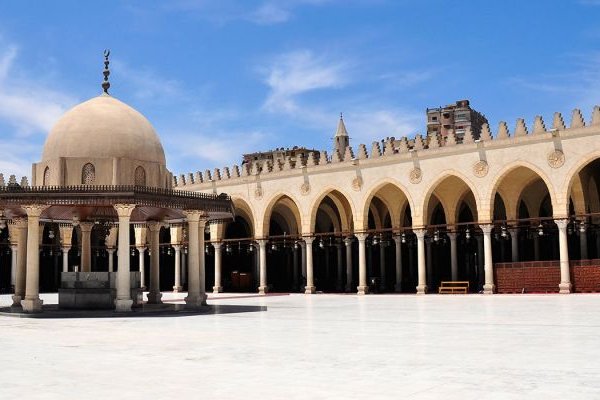
Mosque of Amr Ibn Al-Aas
The Mosque was founded in 642 AD by the Arab commander who introduced Islam to Egypt, Amr Ibn Al-Aas. The mosque acted as the center of his newly founded Egyptian capital, Al-Fustat. It is located near to the Coptic complex in the heart of Old Cairo. Despite the fact that most of its original structure has been renovated, the historical significance of the building as the first mosque on the continent of Africa still fascinates lots of tourists from all over the world!
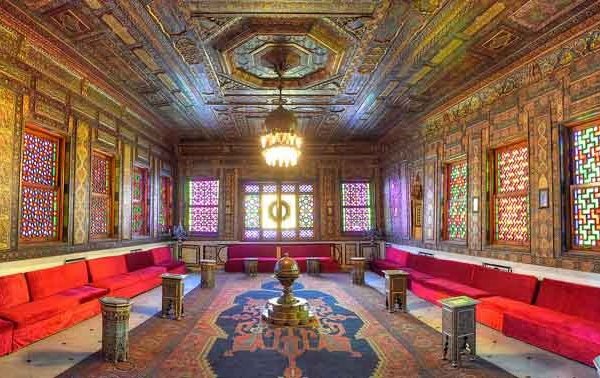
Manial Palace and Museum
Built by Prince Mohamed Ali between 1901 and 1929 on Rhoda Island, the palace is located in El-Manial district to the south of Cairo. Despite the fact that El-Manial palace is not as famous as many sightseeing attractions in Cairo, yet it is considered one of the most fascinating historic house museums in Egypt. The interior design combines several Islamic architectural decorations vary between Ottoman, Persian, Moorish and Fatimid styles. Beside the Reception Saray, Accommodation Saray, Throne Saray and The Golden Hall, the palace area contains historical gardens, forested nature park and hunting museum. To conclude, the palace is considered a master piece of art and it is definitely worth the visit!
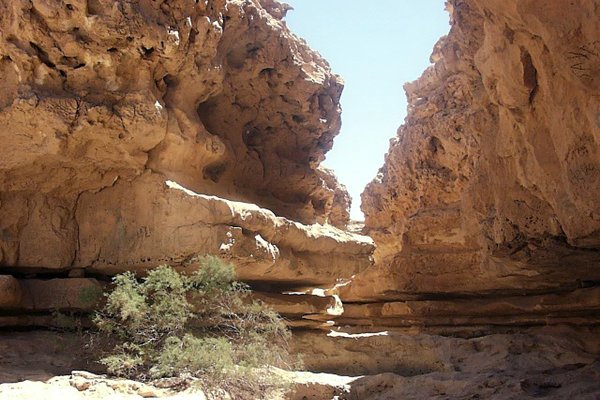
Wadi Degla Protectorate
In 1999, Wadi Degla was announced to be a desert land protected area by the Egyptian Environmental Affairs Agency. It covers an area of about 60 kilometers and situated just 10 kilometers away from Cairo. The protectorate passes through the limestone rocks remains from the marine environment during the Eocene Epoch 60 million years ago; this is why the vicinity is full of fossils. The valley around the high rocks has a group of animals including mammals and if you are lucky you will pass by some of them during your tour. Visiting Wadi Degla Protectorate as part of your vacation in Cairo is special in all ways! It offers a unique experience where you will enjoy the silence of nature and the beauty of rocks.
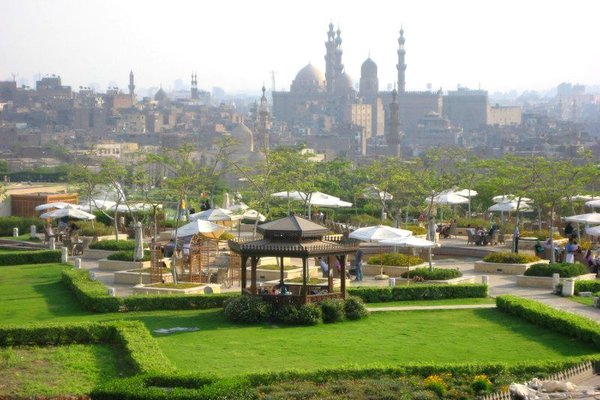
Al-Azhar Park
It is tricky to imagine how the location of today's Al-Azhar park was once a mountain of debris! A tremendous effort was done by Aga Khan Trust for Culture Network aiming at creating a great public space in the heart of Cairo. A total of 30 million dollars was assigned to this project. Qualified local architects and urban development offices participated in inventing this amazing transformation. Make sure to take some time and dine in one of the nice restaurants with the astonishing view of Cairo and Saladin Citadel just in front of you!
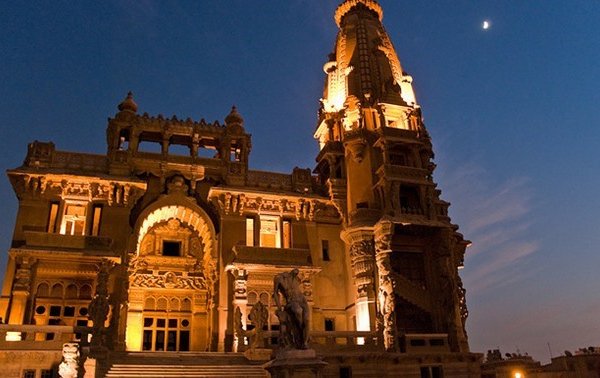
Baron Empain Palace
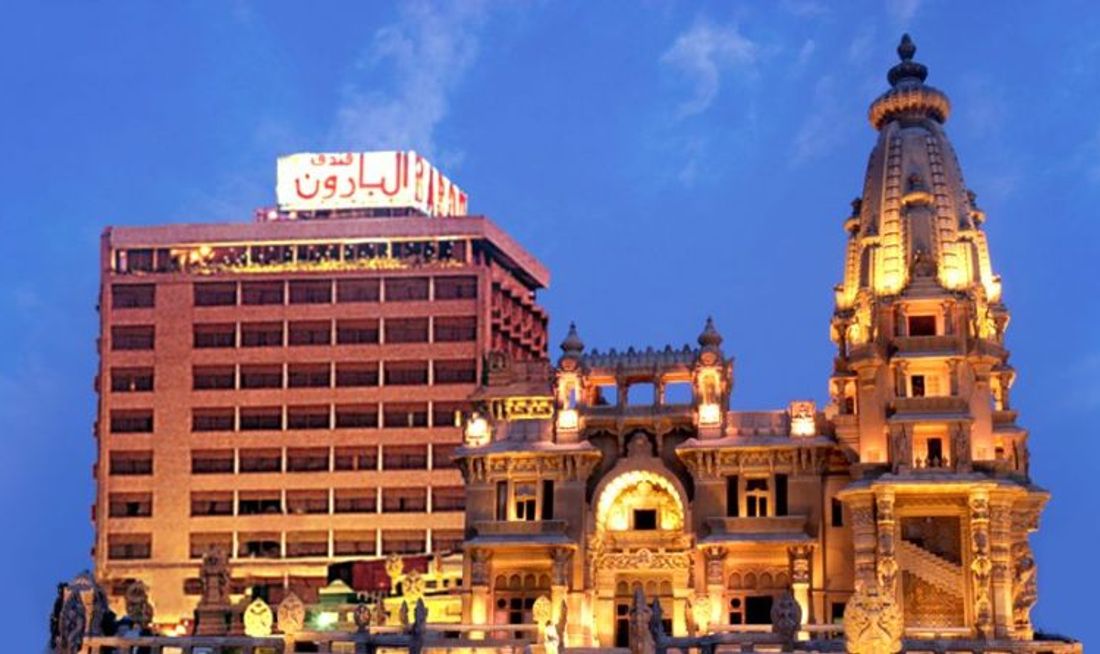
Baron Empain, was a Belgian millionaire who visited Egypt in 1906; it was when he made his decision to spend the rest of his life in Egypt and established a new city in the middle of the desert (the current city of Heliopolis or the city of the sun). I will not overstate when I say that Baron Empain Palace in Heliopolis is one of the must-see architectural masterpieces to visit in Cairo. The palace was designed by the French architect Alexander Marcel and decorated by Georges Louis Claude. The design of this exceptional palace was inspired by the Hindu Angkor Wat temple in Cambodia. It is embellished by ivory from inside out, balconies are ornamented with elephant statues, and windows are stimulated by the Islamic style & decorated with Hindu and Buddhist statues. It is said that the Palace once had an old watch which can only be compared with the watch in Buckingham Palace, precisely showing the time in minutes, hours, days, months, years, moon phases and temperature. The Palace is also characterized by the spacious garden where rare plants were planted for the Baron. It is a place where history meets mystery! There are a lot of fairy tales related to the palace. One of the legends is that palace's tower used to spin 360 degrees every hour, and it suddenly stopped after Baroness Helena, the Baron’s sister died after slipping off from the second floor, others say Baron Empain felt guilty for his sister’s death and stayed inside the palace until his death in 1929.
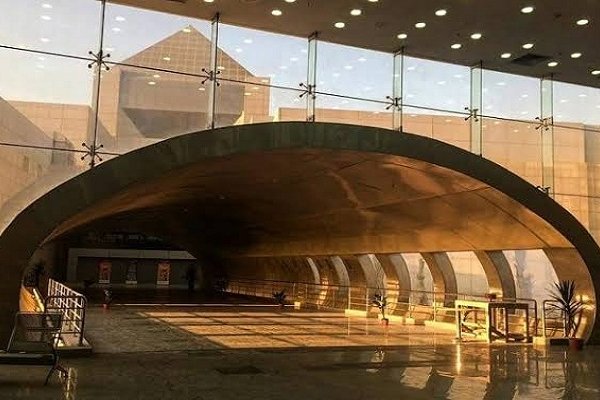
National Museum of Egyptian Civilization (NMEC)
Overlooking Ain El-Seira Lake, the National Museum of Egyptian Civilization is located on El-Fustat archaeological site in Old Cairo. The NMEC is known to be the first authentic museum of civilization in Egypt. 50,000 artefacts from the dawn of civilization to the present day are going to be displayed in the museum's six main galleries. The project forms part of UNESCO's efforts for safeguarding and preserving Egypt's cultural heritage. For this reason, the UNESCO is providing support to the NMEC in training, exhibition development and other areas. It is expected that the project will allow greater number of people to be educated more about the Egyptian civilization and serve as a forum for open dialogue, debate and exchange of ideas. In addition, the museum is planned to include an auditorium, an education & research center and an exhibition on the expansion of the modern city of Cairo. It will act as a venue which highlights Egypt's tangible and intangible heritage. In February 2017, the museum was partly opened and the first exhibition under the name "Crafts and Industries through the Ages" was displayed to the public. Using modern techniques and multimedia electronic guides, the exhibition brings back to life the development of four gorgeous Egyptian crafts which are: clay, jewelry, textiles and wood. As it is still not completely opened, it is highly recommended to explore the NMEC in a guided tour!
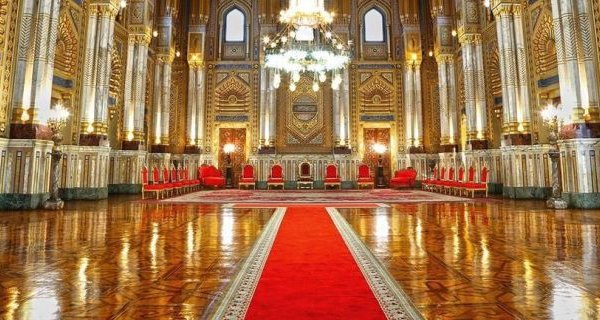
Abdeen Palace
Today's extraordinary historic Abdeen museum in Cairo used to be a royal palace and one of the official presidential workplaces. Owned by Abdeen Bey, the palace was built in 1863 by the French architect Rousseau on a 24 feddans area in the eastern downtown Cairo. It used to be the seat of the government between 1872 and 1952. Through its history, the palace witnessed unforgettable events which definitely affected Egypt's modern and contemporary history. The palace is known for its marvelous architecture, beautiful paintings and mixed ornaments from the Egyptian, French, Italian and Turkish styles. In 1921, Sultan Fuad I added the palace's garden on a 20 feddans area. The museum today embraces the Arms Museum, Silver Museum, Royal Family Museum and the Presidential Gifts Museum. The place is definitely worth the visit as an integral part of Egypt's heritage
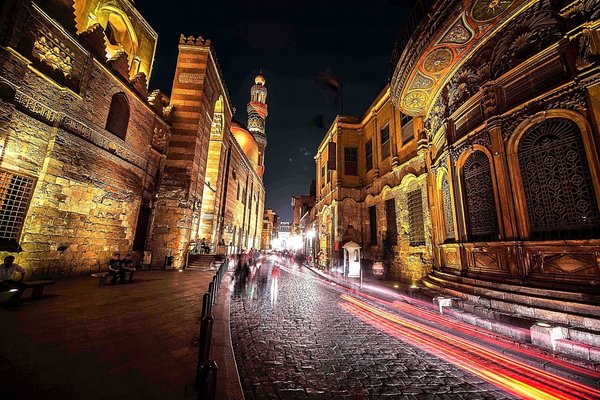
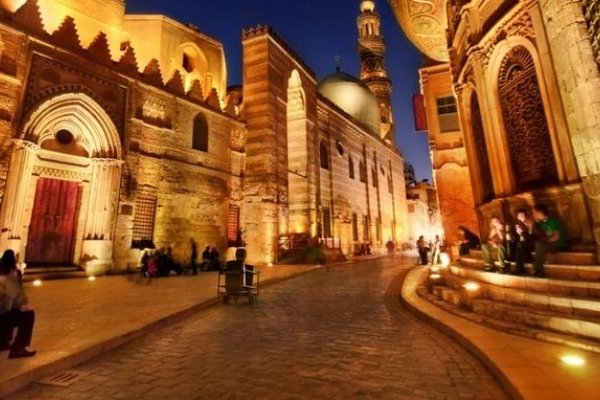
Muizz Street
Al-Muizz li-Din Allah al-Fatimi Street ( Arabic: شارع المعز لدين الله الفاطمي), or al-Muizz street for short, is a major north-to-south street in the walled city of historic Cairo, Egypt. It is one of Cairo's oldest streets as it dates back to the foundation of the city (not counting the earlier Fustat) by the Fatimid dynasty. in the 10th century, under their fourth caliph, Al-Muizz li-Din Allah (after whom the street is named).Historically, it was the most important artery of the city and was often referred to as the Qasaba (or Qasabah).
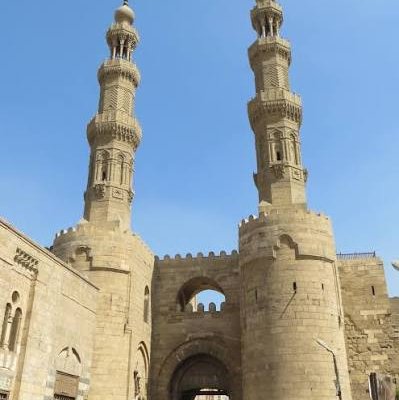
Bab Zuwayla
Bab Zuwayla is one of the last remaining gates of the medieval city walls of Cairo, dating back to the Fatimid era.
It is a striking historic landmark known for its twin minarets and offers a unique viewpoint over Islamic Cairo’s rooftops and bustling streets.
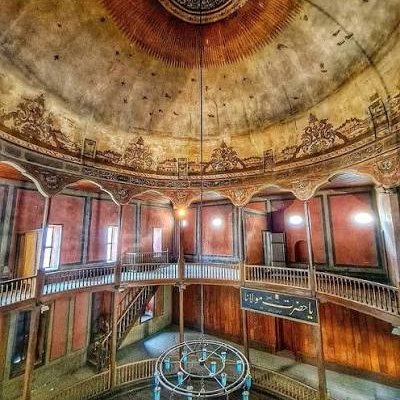
The Mawlawiyya Takiyya
The Mawlawiyya Takiyya is a historic Sufi lodge in Islamic Cairo associated with the Whirling Dervishes of the Mevlevi order.
It features a distinctive Ottoman-era design and once served as a spiritual and cultural center for Sufi rituals and performances.
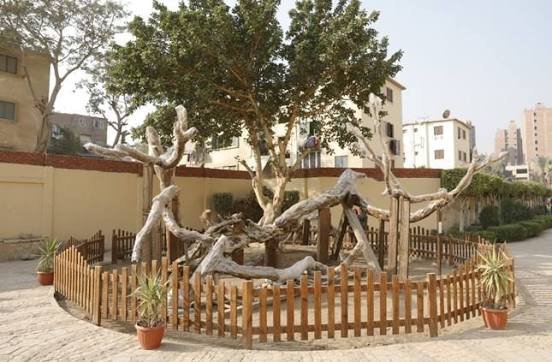
Mary Tree
Step into one of Cairo’s most peaceful and meaningful Christian heritage sites at Mary Tree, a revered landmark associated with the Holy Family’s journey through Egypt. According to tradition, the Virgin Mary and the infant Jesus rested beneath the shade of this ancient tree during their time in Egypt. Surrounded by a tranquil garden and a small historic chapel, the site offers a serene atmosphere for reflection and discovery. More than a historic landmark, Mary Tree is a place where faith, tradition, and Egypt’s ancient landscape come together in a deeply moving experience.
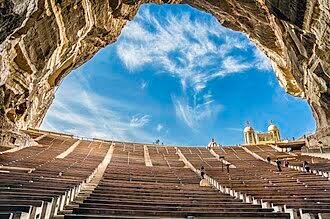
St. Simon the Tanner Church
Hidden within the dramatic cliffs of Cairo’s Mokattam Mountain, St. Simon the Tanner Church is one of the city’s most remarkable and atmospheric Christian landmarks. Carved into the rock and surrounded by towering stone walls, the church combines striking architecture with a deep spiritual heritage. Its vast amphitheater, intricate carvings, and peaceful atmosphere create a truly memorable experience, while the story of St. Simon the Tanner adds a fascinating layer of faith and history. A visit here offers a chance to discover a quieter, deeply spiritual side of Cairo—far beyond its ancient monuments.
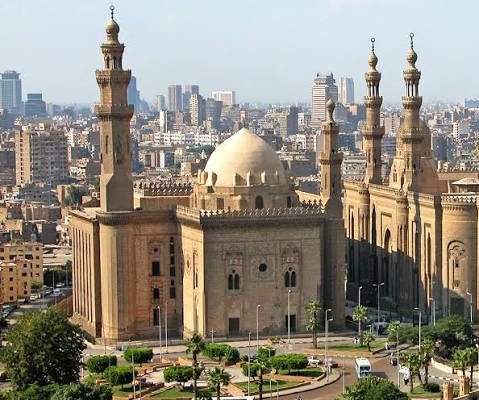
Madrasa of Sultan Hassan & Al-Rifa’i Mosque
Madrasa of Sultan Hassan and Al-Rifa’i Mosque form one of Cairo’s most impressive architectural complexes, showcasing the grandeur of Mamluk-era design.
Located side by side near the Citadel, they feature towering minarets, intricate stone carvings, and a powerful sense of history that reflects Egypt’s Islamic heritage.
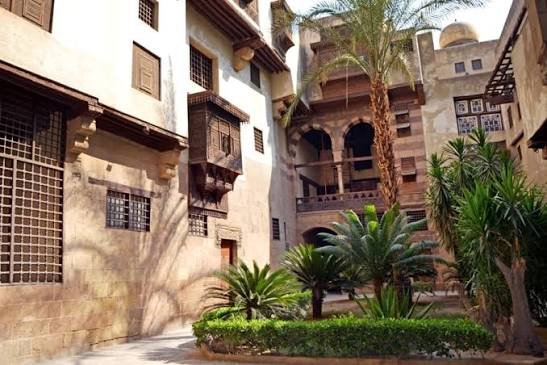
Bayt al-Suhaymi
Bayt al-Suhaymi is a beautifully preserved 17th-century Ottoman-era house located in Islamic Cairo, offering a glimpse into traditional Egyptian domestic life.
With its wooden mashrabiyas, tranquil courtyards, and authentic architecture, it stands as one of the finest examples of historic residential design in the city.
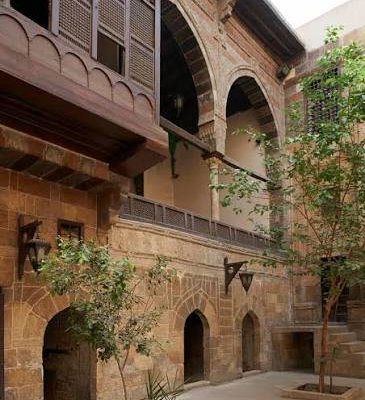
House of Gamal al-Din al-Dhahabi
House of Gamal al-Din al-Dhahabi is a historic Ottoman-era residence in Islamic Cairo that reflects the lifestyle of elite Egyptian families during the 17th century.
It is known for its elegant courtyard, traditional wooden mashrabiyas, and richly decorated interiors that showcase fine Islamic architectural craftsmanship.
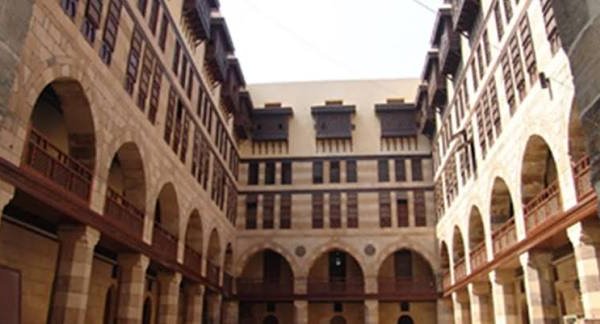
Wikala of al-Ghuri
Wikala of al-Ghuri is a beautifully restored 16th-century caravanserai located in Islamic Cairo, originally built during the reign of Sultan Al-Ghuri.
It once served as a bustling trading hub for merchants and today hosts cultural events and traditional arts performances, reflecting Cairo’s rich heritage.
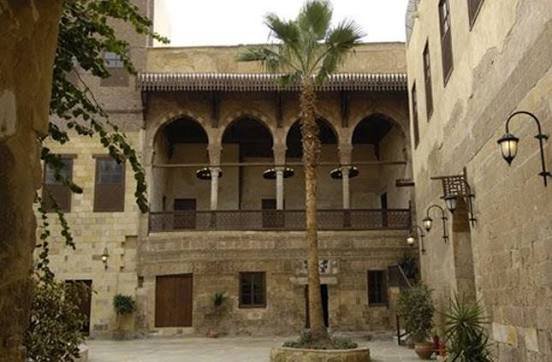
Prince Taz Palace
Prince Taz Palace is a beautifully restored 14th-century Mamluk palace tucked away in Historic Cairo, offering a rare glimpse into aristocratic life during the Mamluk era.
Behind its imposing entrance lies a peaceful courtyard and richly detailed halls that reflect the elegance, power, and refined taste of one of Cairo’s influential noble families.
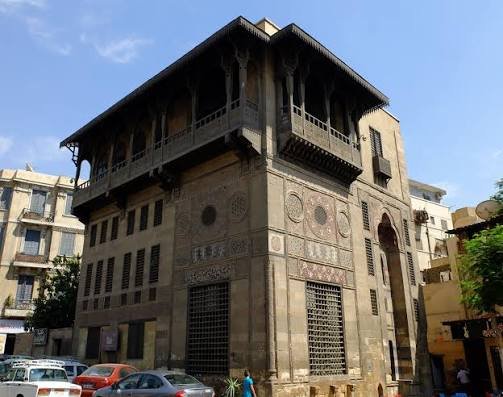
Sabil-Kuttab of Sultan Qaitbay
Sabil-Kuttab of Sultan Qaitbay is a stunning 15th-century Ottoman-style charitable monument in Islamic Cairo, combining a public water fountain (sabil) and a Qur’anic school (kuttab).
Its richly decorated façade, delicate stone carvings, and elegant design reflect the artistic peak of Mamluk architecture, making it one of Cairo’s most photographed landmarks.
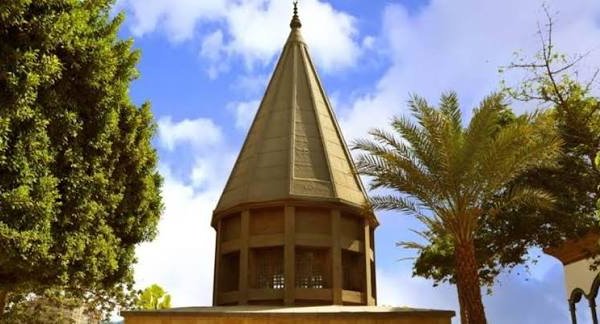
Rawda Island Nilometer
Nilometer on Rhoda Island is an ancient structure on the Nile that was once used to measure the river’s water levels and predict the annual flood.
Encased within a peaceful island setting, it blends scientific ingenuity with quiet beauty, offering a fascinating glimpse into how the Nile shaped Egypt’s life and prosperity for centuries.
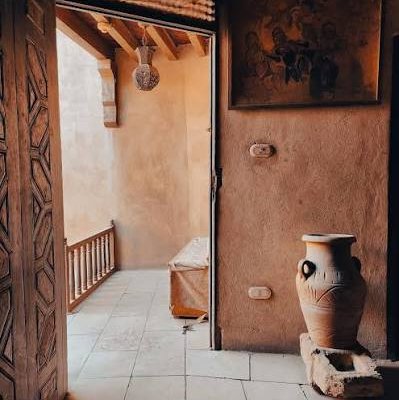
Ali Labib House
Ali Labib House is a charming hidden gem in Islamic Cairo, giving visitors a real feel of how traditional Cairene families once lived.
Its peaceful courtyard, detailed wooden mashrabiyas, and authentic Ottoman-style design make it a quiet escape into the city’s rich and intimate past.
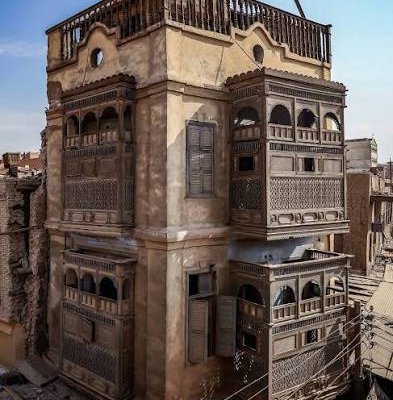
House of al-Harawy
House of al-Harawy is a beautifully preserved historic residence in Islamic Cairo, once home to a wealthy merchant family.
Today it offers visitors a fascinating glimpse into traditional Cairo life, with its elegant courtyard, intricate wooden details, and warm, timeless atmosphere.
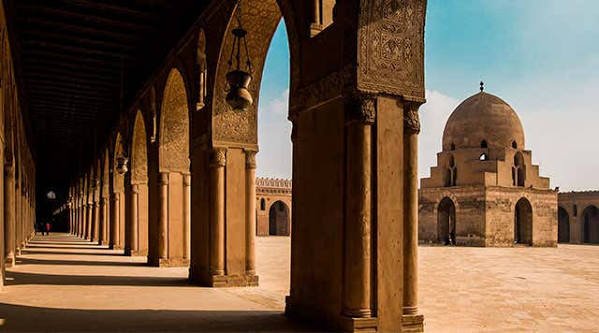
Mosque of ibn Tulun
Mosque of Ibn Tulun is one of Cairo’s oldest and most iconic mosques, built in the 9th century and standing as a rare example of early Islamic architecture in its original form.
Its vast open courtyard, soaring brick minaret, and calm, almost timeless atmosphere make it feel more like a place of reflection than a monument—quietly powerful in its simplicity and scale.
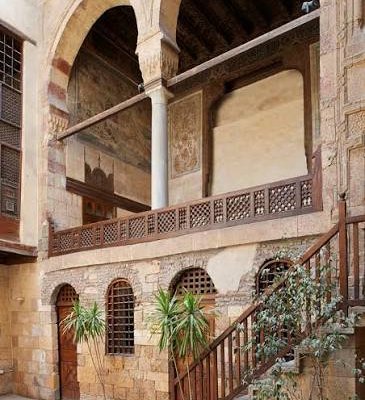
House of Sitt Wasila
House of Sitt Wasila is an atmospheric historic residence in Islamic Cairo that reflects the refined domestic life of prominent Cairene families.
With its intimate courtyard, carved wooden details, and quietly elegant design, it offers a rare, human glimpse into the city’s layered social and architectural history.
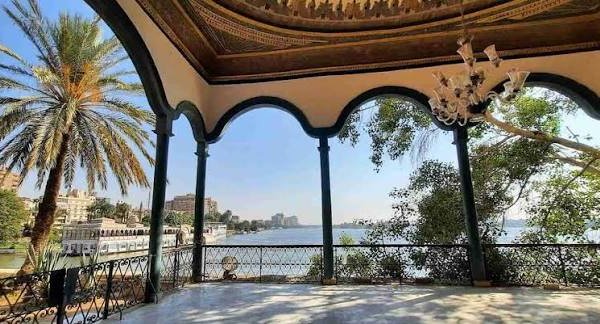
Al-Manasterly Palace
Manial Palace (Al-Manasterly Palace area) is a beautifully restored 19th-century riverside residence overlooking the Nile, known for its elegant blend of Ottoman and European-inspired design.
Its ornate halls, tranquil gardens, and scenic views create a calm, almost timeless atmosphere that reflects the refined lifestyle of Cairo’s elite during the late Ottoman period.
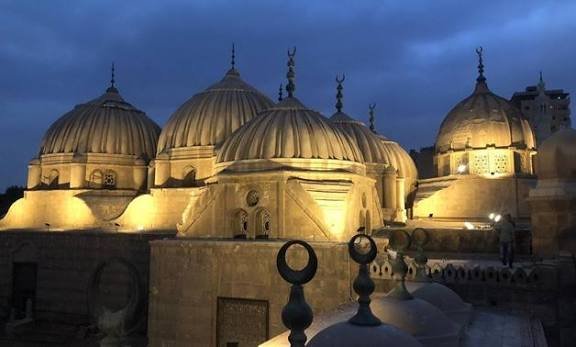
Tombs of the Muhammad Ali Family
Tombs of the Muhammad Ali Family is a grand royal mausoleum complex inside the Citadel of Cairo, serving as the final resting place of Muhammad Ali Pasha and members of his dynasty.
Its elegant Ottoman-style architecture, marble interiors, and solemn atmosphere reflect the legacy of the family that shaped modern Egypt’s history.
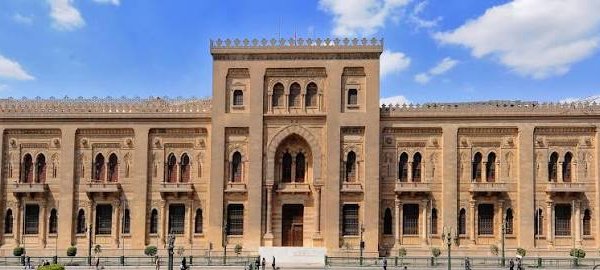
Museum of Islamic Art
Museum of Islamic Art, Cairo is one of the world’s most important collections of Islamic heritage, showcasing masterpieces from across the Islamic world over more than a thousand years.
Its beautifully curated galleries reveal the elegance of Islamic art in all its forms—from intricate woodwork and ceramics to textiles and manuscripts—offering a quiet, reflective journey through a rich and diverse civilization.
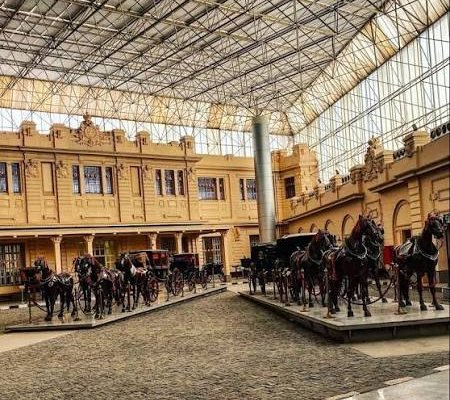
Royal Carriages Museum
Royal Carriages Museum is a beautifully curated museum located in the Bulaq area, showcasing the elegant horse-drawn carriages once used by Egypt’s royal family.
Its glittering displays of gilded coaches, fine craftsmanship, and preserved royal artifacts offer a graceful glimpse into the ceremonial grandeur and refined lifestyle of Egypt’s monarchy.
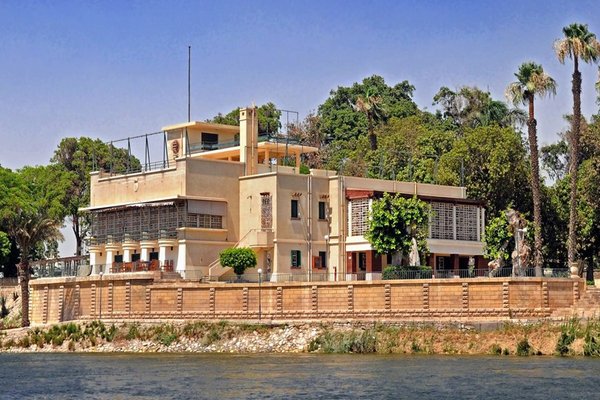
Helwan Corner Museum (Farouk's Corner)
Helwan Corner Museum (Farouk’s Corner) is a small yet charming royal-era museum that preserves a quiet fragment of Egypt’s monarchical past.
Once a retreat associated with King Farouk, it now offers visitors a nostalgic glimpse into a more intimate, personal side of royal life, surrounded by the calm atmosphere of Helwan’s historic gardens.
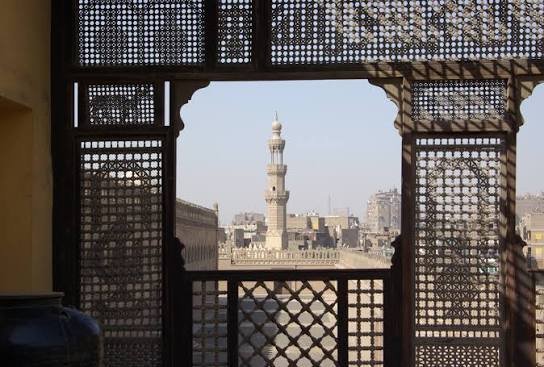
Gayer-Anderson Museum
Gayer-Anderson Museum is a beautifully preserved 17th-century house in the heart of Islamic Cairo, named after the British officer who once lived there and carefully restored it.
A maze of carved wooden screens, quiet courtyards, and richly decorated rooms, it feels less like a museum and more like a lived-in story—where Cairo’s Ottoman past still lingers in every detail.
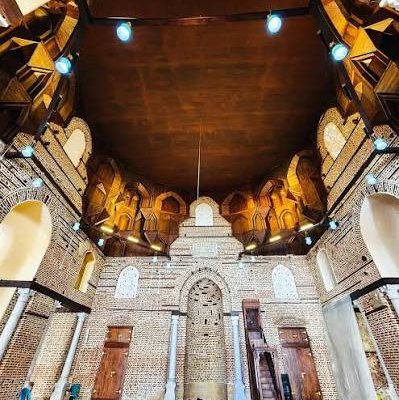
Mosque of al-Zahir Baybars
Mosque of al-Zahir Baybars is one of Cairo’s earliest Mamluk mosques, originally built in the 13th century by Sultan Al-Zahir Baybars, a key figure in Islamic history.
Though restored over time, it still carries a powerful sense of age and resilience, reflecting the beginnings of Mamluk architectural identity in the heart of Cairo.
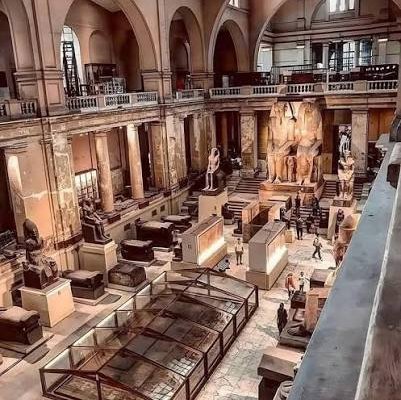
The Egyptian Museum in Cairo
The Egyptian Museum in Cairo is one of the world’s most important archaeological museums, home to an unmatched collection of ancient Egyptian antiquities spanning thousands of years.
Walking through its grand halls feels like traveling through time, where golden treasures, royal mummies, and everyday artifacts together tell the story of a civilization that shaped human history.
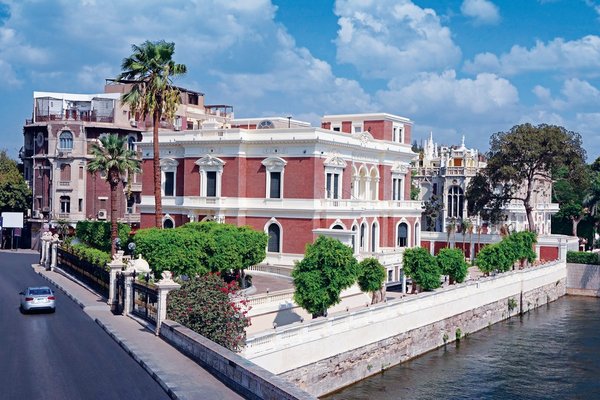
Aisha Fahmy Palace
A graceful historic palace in Zamalek, known for its elegant interiors, Nile-side atmosphere, and beautifully restored halls that now serve as an art and cultural exhibition space. It is a lovely stop for visitors who enjoy architecture, heritage homes, and a quieter artistic side of Cairo.
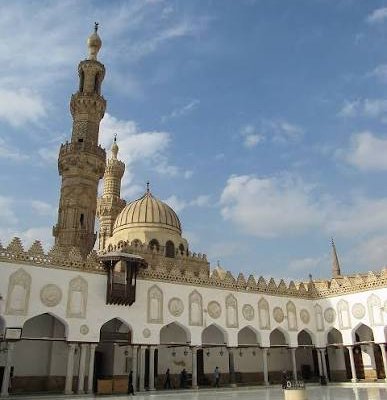
Al azhar Mosque
Al-Azhar Mosque is one of Cairo’s most important Islamic landmarks and a timeless center of learning and faith, founded in the 10th century.
Located in the heart of Islamic Cairo, its graceful minarets, serene courtyard, and centuries-old scholarly legacy give it a quiet but powerful presence that continues to inspire visitors and worshippers alike.
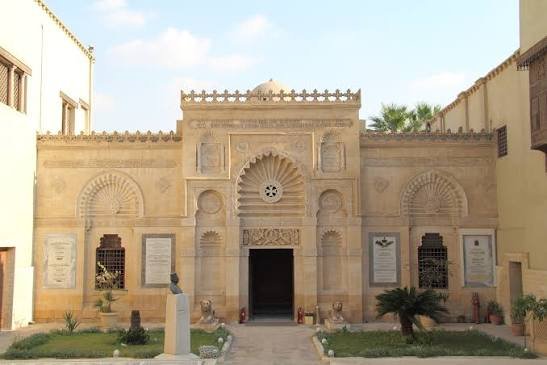
the Coptic Museum
Step into the Coptic Museum, where centuries of Egypt’s Christian heritage unfold through an extraordinary collection of art, manuscripts, icons, textiles, and beautifully preserved artifacts. Set within the historic heart of Old Cairo, the museum brings together treasures that reflect the evolution of Coptic culture and its deep connection to Egypt’s ancient traditions. Wander through its elegant galleries and discover intricate carvings, vibrant religious artwork, and rare manuscripts that tell the story of a remarkable chapter in Egypt’s history. A fascinating cultural experience for anyone seeking to explore the many layers of Egypt beyond the pharaonic era.
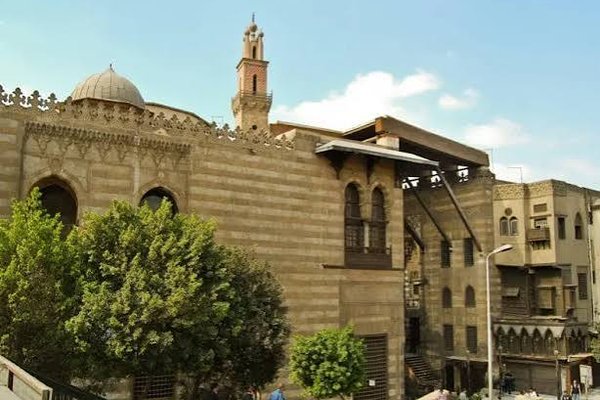
Sultan al-Ghuri Complex
Sultan al-Ghuri Complex is a stunning late Mamluk architectural ensemble in Islamic Cairo, built in the early 16th century by Sultan Al-Ghuri.
It includes a mosque, madrasa, mausoleum, and khanqah, and is known today for its beautifully preserved design and traditional Sufi performances.