Minya
Free Cancellation
Cancel anytime with no feesBest Time to Go
October to April,Minya, often referred to as the hidden gem of Middle Egypt, is home to remarkable archaeological treasures that offer a fascinating glimpse into Egypt’s ancient past. From royal tombs and sacred temples to unique desert landscapes, the region remains one of Egypt’s most authentic and least-explored cultural destinations.
Minya Attractions
Bani Hassan
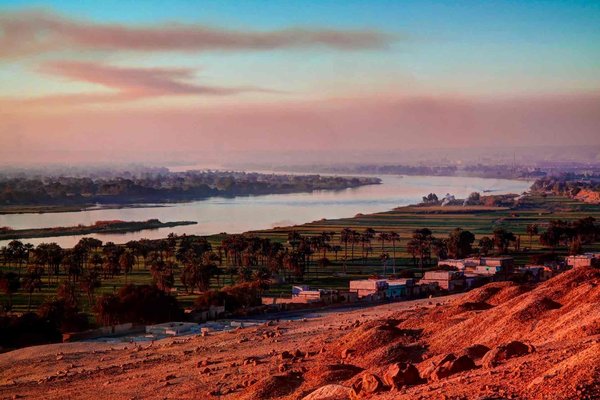
The Tombs of Beni Hassan are among Egypt's finest surviving Middle Kingdom necropolises, renowned for their remarkably preserved rock-cut tombs and exceptional artwork. Perched on a hillside overlooking the Nile Valley, the site offers sweeping views of the river and the surrounding fertile countryside.
Visitors can explore four accessible tombs, where vividly carved and painted wall scenes provide a fascinating glimpse into daily life thousands of years ago. The decorations depict athletic competitions, diplomatic missions from foreign lands, farming and food preparation, bird hunting, and rare illustrations of craftsmen, including barbers, making Beni Hassan a remarkable destination for history enthusiasts.
Tell al-Amarna
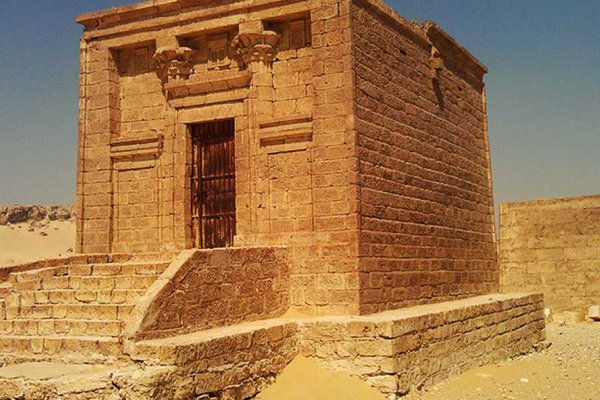
Among open desert landscapes and the ruins of a city built around the worship of the Aten, travelers encounter a remarkable chapter of ancient Egypt that feels distinctly different from the grand temples of the Nile Valley. The site reveals the ambition of a pharaoh who challenged tradition and created a new royal world in the heart of Middle Egypt.
Tell el-Amarna is more than an archaeological site—it is a rare encounter with the moment Egypt dared to imagine itself differently.
Gabal al-Tayr
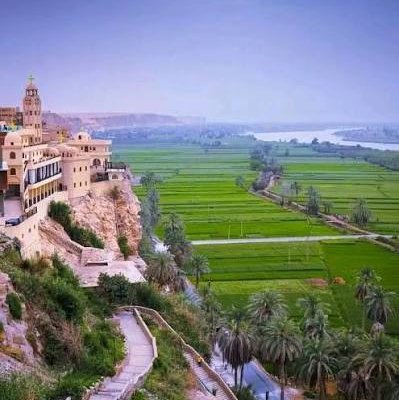
Rising above the eastern bank of the Nile, Gabal al-Tayr is a place where landscape and spirituality converge. Its dramatic cliffs, ancient heritage, and centuries-old Christian traditions create an atmosphere that feels both deeply historic and remarkably serene.
Beyond its religious significance, the site offers a rare perspective on Minya—where the Nile, limestone hills, and rural landscapes come together in a setting far removed from Egypt’s better-known tourist routes.
Gabal al-Tayr is not simply a landmark; it is a journey into the quieter, more profound layers of Egypt’s heritage.
Zawyet Sultan
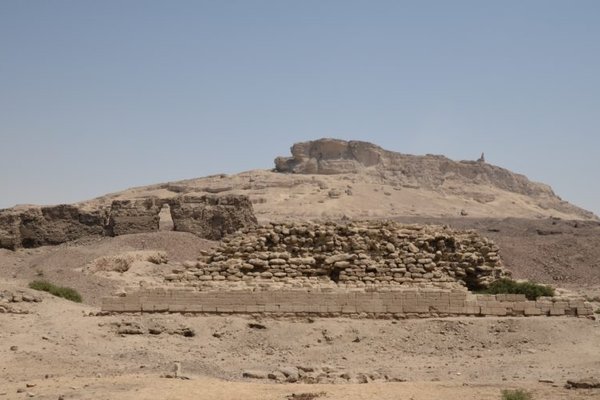
Far from the rhythm of Egypt’s busiest archaeological sites, Zawyet Sultan offers a more intimate encounter with the past. Ancient remains blend naturally into the surrounding landscape, creating a destination where history does not feel distant or staged—it feels woven into the place itself.As you explore, the atmosphere shifts from sightseeing to discovery. Every stone, every view, and every trace of the past becomes part of a larger story about the civilizations that flourished along the Nile.
Zawyet Sultan is not simply a place to visit. It is a place to uncover.For travelers seeking authentic experiences beyond Egypt’s iconic landmarks, this hidden corner of Minya offers the rare pleasure of seeing the country through a quieter, less-traveled lens.
Mallawi Museum
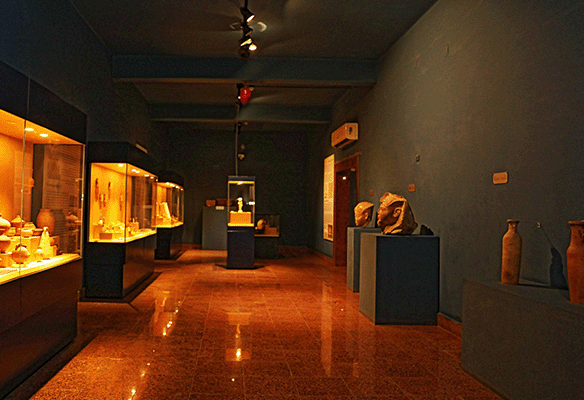
Set in the heart of Middle Egypt, Mallawi Museum offers an intimate encounter with the region’s remarkable archaeological heritage. Its collections bring together artifacts spanning different eras of Egyptian civilization, revealing the stories, artistry, and daily life that flourished along the Nile.
Far from the crowds of Egypt’s iconic museums, Mallawi offers a more personal way to experience the country’s past—one that rewards curiosity with unexpected details and regional treasures.
Mallawi Museum is where Egypt’s quieter stories take center stage.
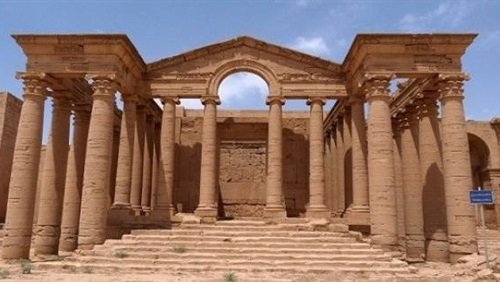
Tuna al-Gabal&Al-Ashmunin
In the heart of Minya, Tuna el-Gebel and Al-Ashmunein reveal a fascinating chapter of Egypt’s ancient spiritual and cultural heritage. Tuna el-Gebel is renowned for its richly decorated catacombs, sacred animal burials, and the remarkable tomb of Petosiris, while nearby Al-Ashmunein preserves the legacy of Hermopolis, an important center dedicated to Thoth, the ancient Egyptian god of wisdom and knowledge.
Together, these sites offer a distinctive journey through centuries of belief, art, and intellectual life. Away from Egypt’s more frequented landmarks, their atmospheric ruins and archaeological treasures provide discerning travelers with a deeper, more intimate encounter with the civilizations that flourished along the Nile.
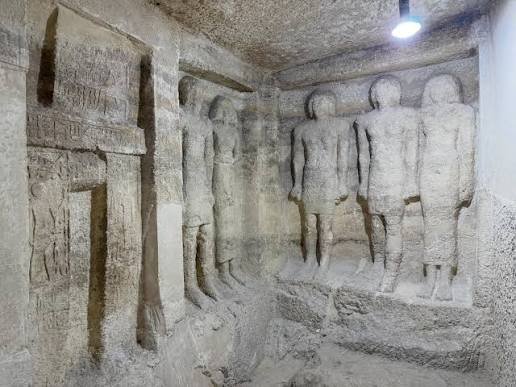
Fraser Tombs
Carved into the limestone cliffs overlooking the Nile, the Fraser Tombs offer a striking glimpse into the lives and status of Egypt’s provincial elite during the Old Kingdom. Their finely crafted reliefs and distinctive architectural details reveal a world shaped by ritual, craftsmanship, and the enduring Egyptian belief in the afterlife.
Set against the dramatic landscape of Minya, the tombs offer an experience far removed from Egypt’s busiest archaeological sites—quiet, atmospheric, and deeply connected to the surrounding terrain.
The Fraser Tombs invite you to discover an Egypt where artistry, ambition, and eternity were carved into stone.
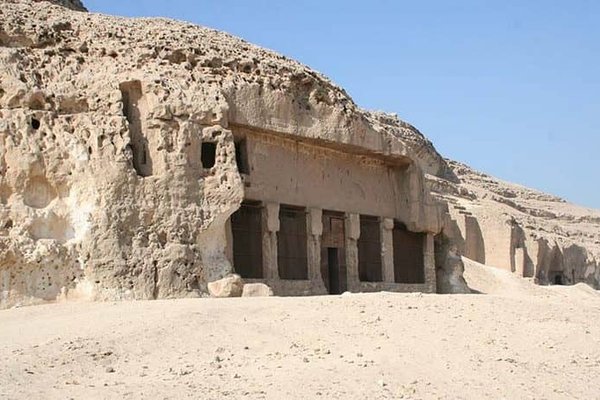
El-Bahnasa archaeological site
Set along the western bank of the Nile, El-Bahnasa—ancient Oxyrhynchus—is one of Middle Egypt’s most intriguing archaeological landscapes. Across centuries, Egyptians, Greeks, Romans, and early Christians shaped this remarkable place, leaving behind temples, tombs, churches, and countless traces of everyday life.
For the discerning traveler, El-Bahnasa offers something beyond monumental grandeur: the rare opportunity to explore a site where different eras overlap, revealing the cultural richness of Egypt through time.
El-Bahnasa is not simply a journey through history—it is a journey through the many identities of Egypt.
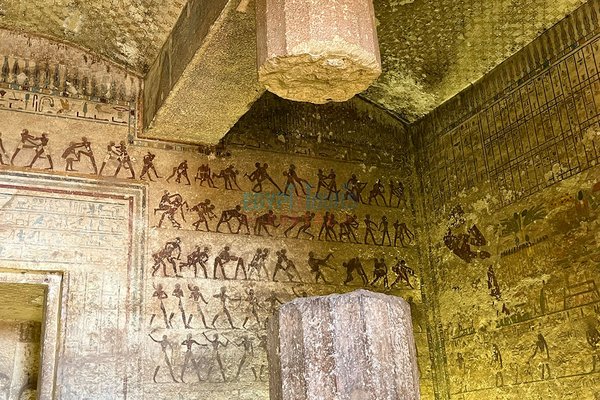
Tombs of Beni Hasan
Perched above the eastern bank of the Nile in Minya, the Tombs of Beni Hasan offer a captivating window into the elegance and sophistication of Egypt’s Middle Kingdom. Carved into limestone cliffs, these ancient tombs preserve exquisite scenes of daily life, hunting, agriculture, rituals, and athletic pursuits, bringing the world of Egypt’s provincial elite vividly to life.
Beyond their remarkable artwork, Beni Hasan is defined by its breathtaking setting, where desert cliffs meet the fertile Nile Valley. For discerning travelers, a visit offers a quieter and more intimate archaeological experience—an opportunity to explore ancient history while enjoying sweeping views across one of Egypt’s most evocative landscapes.
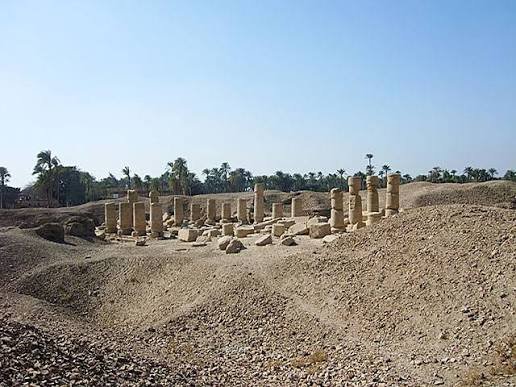
Antinopolis
On the eastern bank of the Nile, the ancient city of Antinopolis preserves the traces of a remarkable Roman chapter in Egypt. Founded by Emperor Hadrian in memory of Antinous, the city was conceived as a sophisticated Greco-Roman center, blending imperial ambition with the traditions of the Nile Valley.
Today, its surviving columns, streets, and scattered architectural remains emerge from the landscape with an understated grandeur. Exploring Antinopolis offers a rare opportunity to encounter Egypt beyond its pharaonic monuments—through the refined urban world of Roman Egypt.
Antinopolis is a journey into an Egypt where empire, memory, and the Nile converged.